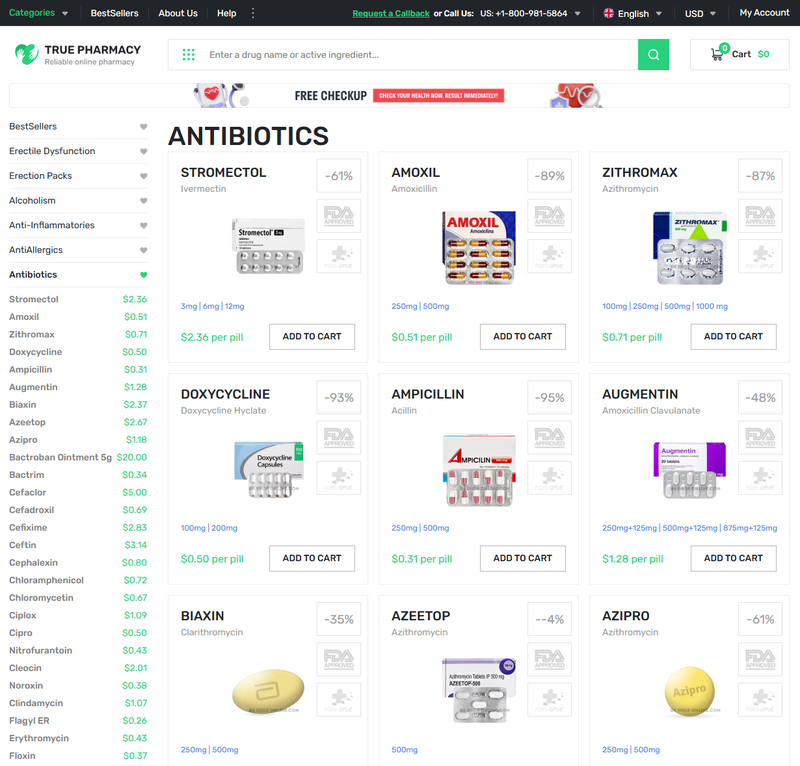
To Buy Bactroban Over The Counter Visit Our Pharmacy ↓
Importance of Prompt Communication with Healthcare Providers
Hands should be thoroughly washed both before and after application to prevent the spread of infection and absorption of the medication through the skin of the hands. Bactroban is a broad-spectrum antibiotic, which means it can kill a wide range of bacteria. Bactroban, an antibiotic ointment, has risen to prominence in pediatric care due to its remarkable ability to treat skin infections caused by bacteria. It's also important to avoid contact with the eyes, nose, mouth, or other mucous membranes. This mode of action makes it less likely for bacteria to develop resistance to mupirocin compared to antibiotics that target cell walls or membranes. Bactroban, a widely used antibiotic ointment, has established itself as a versatile medication in the field of dermatology. Since they are available without a prescription, the effectiveness of these treatments may vary, and they may not be suitable for more severe or persistent bacterial infections.
Tips for Safe Use and Monitoring Side Effects
Bactroban is active against a wide range of bacteria, including Staphylococcus aureus, Streptococcus pyogenes, and Streptococcus pneumoniae. With these impressive attributes, Bactroban continues to unlock new possibilities in the realm of wound management and holds promise for further advancements in the future. It is important to follow proper usage guidelines for Bactroban cream, and to be aware of any potential side effects. As further research is conducted, Bactroban may unlock even more potential uses in the field of dermatology and beyond. Regular application of Bactroban not only eliminated the infection but also prevented future outbreaks. - Do not use Bactroban for longer than prescribed by your doctor. Unlike many antibiotics that target a broad range of bacteria, mupirocin's action is highly specific.
Comparing Bactroban with Other Mrsa Treatments
Some healthcare providers may also consider it for intertrigo, a rash caused by skin-on-skin friction in moist areas, or for impetigo, which is highly contagious and often seen in children. The key lies in adopting a proactive mindset and making Bactroban an integral part of one's daily routine. When using Bactroban, it's crucial to be mindful of potential interactions with other medications. Resistance to mupirocin has been observed, particularly in settings where the ointment is used frequently, leading to concerns about its sustained efficacy in treating infections. Bactroban is a topical antibiotic ointment that has been proven to effectively eliminate blemishes and acne. Bactroban contains an active ingredient called mupirocin, which works by inhibiting the growth of MRSA bacteria. Bactroban, a topical antibiotic, operates by targeting and inhibiting the synthesis of bacterial protein.
The Evolution of Topical Antibiotics: from Bactroban to Future Innovations
Additionally, long-term use or misuse can lead to the growth of non-susceptible organisms, including fungi. - Tell your doctor if you are allergic to Bactroban or any other medications. It is applied topically to the skin, usually 2-3 times a day, for a period of 7-10 days. lies in its ability to effectively combat a wide range of bacterial infections, including the dreaded Stat. It is important to understand that Bactroban is not a cure for MRSA and should only be used as a preventative measure. With its powerful antibacterial properties, Bactroban has become a popular choice for people looking to treat blemishes and skin infections. Bactroban is also safe to use on both adults and children, making it an ideal treatment option for families.
Active Ingredients and Mechanism of Action
When using Bactroban, it's crucial to be mindful of its potential side effects. Another user, David, had been struggling with a recurring MRSA infection for years. This helps prevent the transfer of bacteria and other pathogens that can cause infections. Its mechanism hinges on the selective inhibition of bacterial isoleucyl-tRNA synthetase, an enzyme critical for protein synthesis. Bactroban, the revolutionary topical antibiotic, owes its potent formulation to a unique blend of active ingredients. Its journey from creation to becoming a cornerstone in the treatment of such conditions is rooted in the need to tackle bacteria that have grown resistant to traditional antibiotics. Over-the-counter options, while convenient, can also introduce skin sensitivities or allergic reactions in some individuals.
Bactroban's Unparalleled Potency 🔥
Some individuals may experience itching or redness, indicative of a local irritation rather than a severe allergic reaction. Non-prescription use or misuse can lead to reduced efficacy and even increase the chances of developing secondary infections that are harder to treat. Another type of skin infection is bacterial infection, often characterized by the presence of pus-filled bumps, redness, swelling, and tenderness. Bactroban is an effective topical antibiotic cream that is commonly used to treat a variety of skin infections. This unique mechanism not only halts the growth of bacteria but does so with minimal impact on human cells, making it an effective weapon against certain skin infections caused by susceptible strains of Staphylococcus aureus and Streptococcus pyogenes. Bactroban works by inhibiting the growth of these bacteria, reducing inflammation and ultimately clearing up the skin.One of the key advantages of Bactroban is its effectiveness in treating both mild and severe acne. By applying Bactroban to the affected area(s) according to the prescribed dosage, individuals can significantly reduce the risk of bacterial growth and the subsequent development of infections.
It contains an active ingredient called mupirocin that works by inhibiting the growth and reproduction of bacteria
Among these, antibacterial creams are widely used due to their convenience and effectiveness. Immunomodulatory therapies, enhancing the body's natural defenses, represent another promising frontier. This capability not only accelerates healing processes but also mitigates the risk of spread in communal settings like schools and daycare centers. In most cases, Bactroban should be applied 2-3 times per day for about 7-10 days. The production facilities are equipped with state-of-the-art technologies and adhere to stringent quality control measures. Originally derived from the bacterium *Pseudomonas fluorescens*, mupirocin works by inhibiting the synthesis of bacterial proteins, thus rendering the bacteria unable to survive. Bactroban is usually applied three times per day or as directed by your healthcare provider, and you should continue to use it for the full course of treatment even if your symptoms resolve before this time.
In rare cases, individuals may experience an allergic reaction to Bactroban, which may include hives, difficulty breathing, and swelling of the face, lips, tongue or throat
Additionally, Bactroban should not be used casually for any minor skin irritation as overuse can lead to decreased effectiveness. Always consult a healthcare provider to discuss the most suitable option for your condition, factoring in both efficacy and tolerance, as balancing the two is neccessary for effective treatment. Additionally, it helps to reduce inflammation and redness, resulting in a smoother and less noticeable scar.Extensive research has been conducted to understand the science behind Bactroban's effectiveness. Moreover, its usage extends to the treatment of small cuts, wounds, or lacerations that have become infected – where Bactroban establishes a barrier against the proliferation of infectious bacteria. When applied to a fresh tattoo, Bactroban can help enhance the healing process and promote faster recovery. Bactroban, a topical antibiotic, is generally well-tolerated, but like any medication, it can lead to certain reactions. This is in contrast to broad-spectrum antibiotics, which can kill off both harmful and beneficial bacteria, leading to imbalances in the body's microbiome.
The Chemical Warriors: Understanding Mupirocin
The cell wall acts as a protective barrier for bacterial cells and is crucial for their survival. While Bactroban is an effective treatment for skin infections, patients must be aware of possible side effects associated with its use. Bactroban, a topical antibiotic, has long been recognized for its effectivenes in treating skin infections. Bacitracin prevents bacteria from producing cell walls, while the other two combat gram-negative and gram-positive bacteria. The antibiotic achieves this by binding selectively to the bacterial isoleucyl-tRNA synthetase—an enzyme crucial for the production of proteins necessary for bacterial life and proliferation. The careful prescription of Bactroban, along with strict adherence to usage guidelines by patients, helps minimize the potential for resistance development. One of the major benefits of using Bactroban to treat MRSA is its effectiveness in eliminating the bacteria.
Reviews from satisfied customers who have used Bactroban for wound care:
Bactroban, primarily known for its antimicrobial properties, might initially seem like an unlikely candidate for acne treatment. Bactroban can help reduce inflammation, redness, and swelling associated with blemishes, promoting clearer and healthier-looking skin. Bactroban (mupirocin) is generally safe when used as directed, but it can interact with certain medications and is not suitable for everyone. When using Bactroban or Neosporin, individuals may experience various side effects and allergic reactions. When using Bactroban to treat skin infections, staying informed about potential side effects is crucial. However, as with all medications, there is a possibility of side effects occurring. Common reactions can include localized burning or stinging sensations, redness, or itching at the application site.
Buy Albenza No PrescriptionOnline Zyprexa No PrescriptionWegovy For Sale