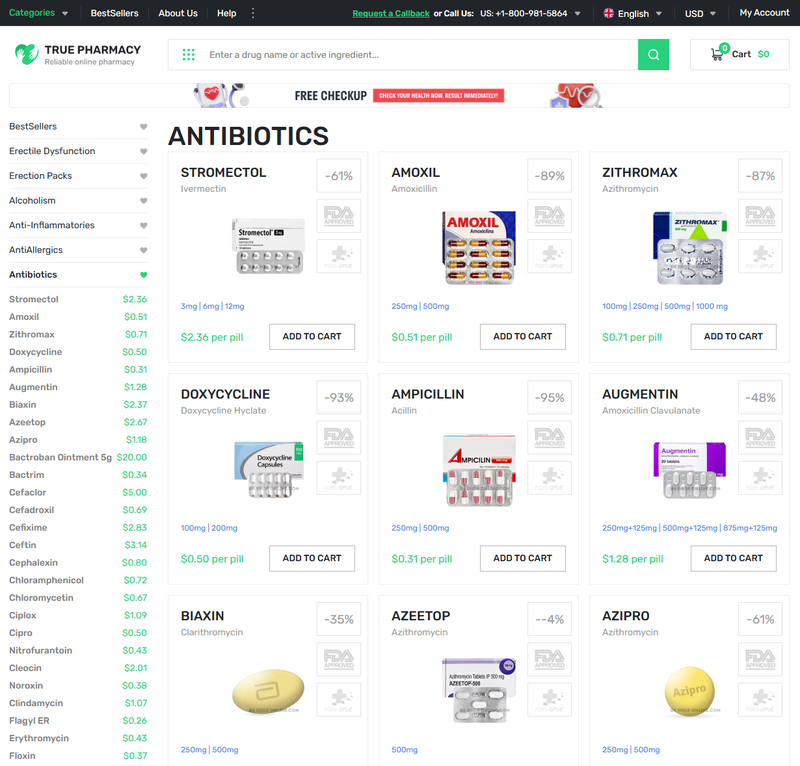
To Order Ivermectin Online Visit Our Pharmacy ↓
Overcoming Barriers to Access
Public sentiment around Ivermectin has also bifurcated, often following these medical debates but with its own distinct fervor. Additionally, scabies creams can be messy and time-consuming to apply, requiring patients to cover their entire body with the cream and leave it on for several hours. While more research is needed to confirm these findings, the drug has already gained attention and is being used off-label in some countries to treat COVID-19 patients. By understanding how Ivermectin works, we can better grasp its promise as a potential treatment option for COVID-19. These barriers can include limited resources and infrastructure in impoverished communities, regulatory hurdles, and lack of awareness among healthcare providers. As a result, some health organizations are advocating for its use in COVID-19 treatment protocols. However, larger clinical trials are needed to confirm these findings and determine safe and effective dosages.
Analyzing Ivermectin's Efficacy through Emerging Studies
As a result, ivermectin plays a critical role not only in individual patient health but also in bolstering the health infrastructure necessary for comprehensive disease management and prevention. Over the following years, extensive studies and clinical trials were conducted to understand ivermectin's safety and efficacy profiles. Balancing the need for thorough research and safety with the urgency to harness Ivermectin's benefits demands meticulous oversight and collaboration among stakeholders. Patient safety and the integrity of the scientific process cannot be compromised by external pressures or anecdotal evidence. Sustainability and Ecology: Ivermectin's Role in Environmentally Friendly Livestock Farming. The scientific community's ability to pivot and innovate has been crucial, informing ongoing global strategies to manage and eventually overcome the pandemic. Only with solid scientific data and clear guidelines can Ivermectin have a chance to navigate through the regulatory landscape and potentially become an approved treatment option for Covid-19.
Moving Forward: Lessons from the Ivermectin Experience
This ability to eradicate the mites helps to shorten the duration of the infestation and prevent the spread of scabies to others. Ivermectin is a drug that has antiviral properties, which means it has the ability to stop viruses from replicating in the body. The Science Behind Ivermectin: How It Works To Stop The Virus From Spreading Ivermectin is a medication that has been used for decades to treat parasitic infections in both humans and animals. It's critical for public health communication to distinguish between these applications, as the misuse of veterinary formulations can pose serious risks to humans and underscores the need for guided use by healthcare professionals. However, its effectiveness in treating COVID-19 has not been proven, and the medical community remains divided on its use. To address these challenges and concerns, further research and clear guidelines are needed to ensure the safe and appropriate use of Ivermectin. Heartworms are a serious health concern for pets, particularly dogs.
The Origins and Controversy of Ivermectin
Nonetheless, ongoing studies and increasing interest in the drug continue to establish its usefulness in treating a wide range of medical conditions. Contending with incomplete data, they had to navigate between the urgent need for effective treatments and the imperative of adhering to established scientific protocols. In the future, it is possible that Ivermectin could play an important role in the fight against Covid-19, either as a standalone treatment or in combination with other drugs. Ivermectin, a well-known antiparasitic drug, has a rich history that spans several decades. This boosts productivity levels and ultimately contributes to a more efficient and profitable livestock industry. Continued research aims to optimize dosage regimens and investigate its potential for use in combination therapies. Peer-reviewed research serves as the bedrock of scientific evidence, providing a critical framework for evaluating the safety and efficacy of medical treatments, including ivermectin.
Balancing Treatment with Natural Biodiversity
Ivermectin has emerged as a potentially effective COVID-19 treatment, but the controversy surrounding the drug has led to confusion and skepticism among some health organizations. Addressing these challenges is crucial to gaining regulatory approval, which in turn would enable wider access to this drug for patients. Research has shown that certain botanical compounds have the ability to kill or inhibit the growth of parasites in horses.Another alternative is rotational deworming, which involves the use of different classes of dewormers throughout the year. First, the industry's financial power enables it to influence policy priorities. Despite being most commonly used for the treatment of parasitic infections in animals and humans, Ivermectin shows promising results in the treatment of COVID-19, indicating that it could potentially act as a game-changer in the global fight against the pandemic. Overall, Ivermectin offers a range of benefits that make it a popular choice for treating scabies. By inhibiting the activity of a specific protein known as Importin alpha/beta, Ivermectin is believed to interfere with the virus's ability to enter human cells and replicate itself.
The History of Ivermectin: From Horse Dewormer to Human Drug
The debate surrounding ivermectin and its efficacy in treating Covid-19 has captivated both the public and the medical community. One notable attribute was its incredibly potent yet remarkably safe profile, making it a noteworthy script in global health circles. Furthermore, the close relationships between industry representatives and policymakers raise questions about conflicts of interest. What makes this medication particularly impactful is its ability to kill the microfilariae in the bloodstream, preventing the worms from reproducing and spreading the disease. These efforts aim to ensure that Ivermectin reaches all those in need, regardless of geographical barriers. The debate escalated as social and political factors intertwined with scientific discussion. Regulatory agencies such as the FDA and WHO have cautioned against the indiscriminate use of Ivermectin for Covid-19 until more conclusive data is available.
Real-world Applications: When to Choose Ivermectin over Others
Ivermectin, renowned for its efficacy in treating onchocerciasis, or river blindness, has also been integral in the battle against lymphatic filariasis, commonly known as elephantiasis. As the Covid-19 pandemic swept across the globe, traditional medical responses were met with uncertainty and urgency, leading many to explore unconventional treatments. Overall, the regulatory roadblocks surrounding Ivermectin as a potential Covid-19 treatment relate to the need for well-designed clinical trials and conclusive evidence. Nevertheless, the promising potential of Ivermectin as a crucial tool in the fight against parasitic infections continues, driving further research and development. Others have expressed concern about the potential side effects of the medication, particularly when used in high doses. Food and Drug Administration) has consistently advised against the use of ivermectin for treating COVID-19 in humans unless it's part of a clinical trial. Additionally, ivermectin has shown promise in the treatment of other NTDs, including scabies and strongyloidiasis.The accessible nature of ivermectin, its efficacy, and low cost make it an invaluable tool in the fight against neglected tropical diseases.
The Science Behind Ivermectin: Research and Studies
Continued research into the potential applications of Ivermectin beyond parasitic infections holds promise for improving global health outcomes. While some doctors and researchers have reported positive outcomes from the drug's use in COVID-19 patients, others remain skeptical due to the limited amount of high-quality evidence available. Claims regarding ivermectin's benefits ranged from preventing COVID-19 infection to reducing the severity of symptoms and the duration of the illness. Ivermectin, discovered in the 1970s, revolutionized parasite treatment with its potent efficacy and broad spectrum. For example, a study conducted in Argentina reported that Ivermectin reduced the risk of hospitalization by 73% in patients with Covid-19, while a study in India showed no significant improvement in symptom resolution with the drug. and the Kitasato Institute in Japan. With ongoing efforts to distribute the medication to affected communities, the hope is that river blindness can be eliminated as a public health problem.
The Suggested Benefits
Recent discourse has expanded to explore whether the immunomodulatory effects of ivermectin contribute to its antiviral profile. On the other hand, the potential opportunities for Ivermectin lie in its potential as a preventive measure, as well as its use in combination with other drugs. As scientists explored its antiviral effects, they also delved into the mechanisms by which ivermectin might hinder viral replication and reduce the severity of symptoms. The risks and benefits of Ivermectin use must be carefully weighed, but the drug's potential to shape the pandemic response and the field of medicine cannot be ignored. Given Ivermectin’s broad antiviral properties, scientists are also curious about its potential application against future emerging diseases. Ivermectin has emerged as a rising star in veterinary medicine due to its remarkable versatility in treating various parasitic infections. This hyperpolarization impedes normal nerve signal transmission, culminating in paralysis and eventual death of the parasite.
Ivermectin as a Viable Solution for Neglected Tropical Diseases
However, it's important to conduct more research to determine the safest and most effective dosages before widespread use. Once in the aquatic environment, ivermectin can be toxic to fish and other non-target organisms, such as crustaceans and insects that are sensitive to the drug. Without clear guidelines on proper usage, it becomes difficult for regulators to assess its overall safety and efficacy in treating Covid-19. Originally developed in the late 1970s, it quickly became recognized for its effectiveness in treating a variety of parasitic infections in animals. However, Ivermectin's effectiveness in combating these diseases has changed the game. The article explores the controversies surrounding the use of Ivermectin for COVID-19. Ivermectin has been a drug widely used to combat parasitic infections in both animals and humans since the late 1970s.
Order Apixaban OnlineBuy Clindamycin No InsuranceBuy Super Cialis Online